Guide 3 of 8 · Week 2: Turning within
How to Cope With Stress by Turning Within
Stress pushes us to react right away. A few quiet minutes turned inward let the body settle first, so you can choose what to do next.

When you’re stressed, a few minutes of turning inward can help you meet the day from a steadier place. Instead of reacting straight away, you pause, let the body settle, and then choose what to do next.
This guide is Week 2, Day 2 of 4 Weeks of Easy Bliss, the program in the Bliss app. Below you’ll see what stress does in the body, why a short pause helps, what turning within means, and a practice you can use the next time stress shows up.
What stress does
Stress is the body getting ready for trouble. Your heart speeds up, your breathing gets shallow, your muscles tighten, and your attention narrows onto the problem. That’s useful when you need to jump out of the way of a bike. It’s less useful in a tense meeting or a full inbox, when the alarm can stay on for hours.
While the alarm is on, we tend to act on autopilot: a sharp reply, a rushed decision, a door closed a little too hard. Then there’s that to deal with as well.
Why a pause helps
The simplest way to break that chain is a pause. It doesn’t need to be long. A few slow breaths, or a few minutes with your eyes closed, gives the body a chance to settle before you act.
A pause doesn’t make the problem go away. It may give you room to notice how you feel before you respond, and that’s often enough to change what you do next.
What turning within means
Turning within means giving your attention one quiet place to rest, instead of more things to take in. Yogis call the first step pratyahara, which means drawing attention back from the senses.
In practice it’s simple. You sit somewhere quiet, close your eyes and keep the body still, so less is pulling at you. Then you let your attention settle on the breath or a mantra, and keep bringing it back there.
At first the mind keeps going, like a ceiling fan that goes on turning for a while after you switch it off. That’s fine. Give it a few minutes and it usually starts to slow down on its own.
The problems of the day will still be there when you open your eyes. But you meet them from a steadier place, not from the middle of the rush, and that can make it easier to choose your next step.
You can't always change what's stressful. You can choose to pause before you answer it.
What happens when you turn within
The first few minutes can feel restless. The mind is used to a steady stream of input, and it may grab at thoughts to fill the gap. That’s normal. Keep coming back to your resting point, the breath or a mantra, the way you practiced in Week 1.
After a while, things start to settle. The breath slows. The body softens. Thoughts thin out and come less often. You may notice a quiet ease settle in.
That’s the aim of turning within: not to get away from the problem, but to let the body and mind settle a little before you face it. And you can come back to it whenever you need to.
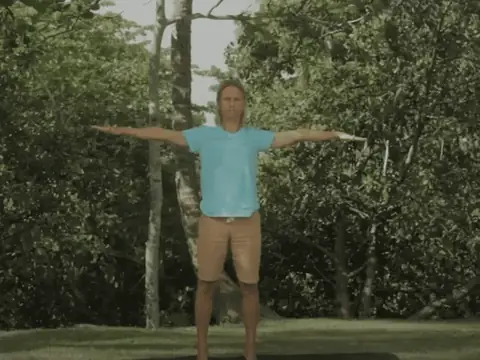
A practice for drawing the senses inward
Use this when stress shows up, or as your regular sitting this week.
Try it now
Five quiet minutes for a stressful moment
- Catch the moment. When you notice the signs of stress, stop what you're doing and say to yourself, "Pause first."
- Sit and close your eyes. Back upright, hands in your lap. Let the world of sight go.
- Let the body grow still. Feel where you are touching the seat and the floor, then let those sensations fade into the background.
- Let sounds pass. Hear them, but don't follow them. Let them come and go like cars on a distant road.
- Rest inside. Bring your attention to the breath in your chest, or silently repeat a mantra. Stay for five minutes, coming back each time you drift.
- Come back slowly. Open your eyes and ask, "What's the next small step?" Then take it.
You won’t always remember to pause, and that’s fine. Each time you do, it gets a little more familiar.
What comes next
Once you can find a few quiet minutes, a new question comes up: why do some worries keep pulling you back? Often it’s because we’re holding on to something too tightly. Read the next guide for a simple practice for letting go.
Ready the body
Today’s yoga: Find your mental balance
In the program, this lesson comes with 3 poses to do before you sit. Each one has a short video in the app that shows you how.
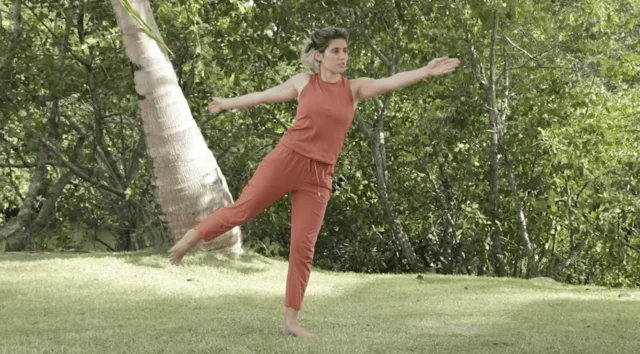 Eagle PoseGarudasanaBrings mental balance
MediumUse a wall with balance problems or vertigo. Go gently with knee or ankle injury
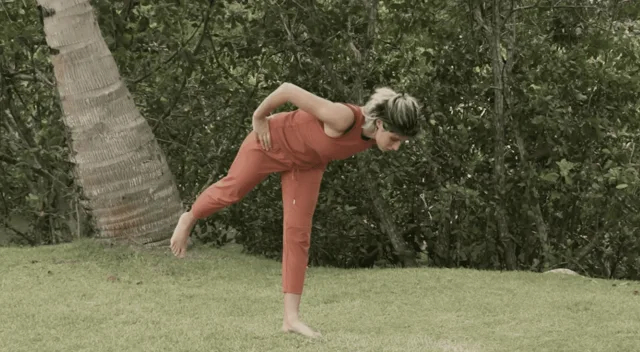 Balance PoseTuladandasanaBrings mental balance and stability
MediumUse a wall with balance problems or vertigo. Go gently with lower back pain
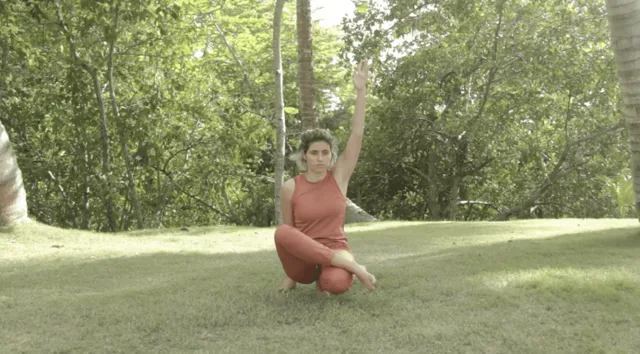 Knowledge PoseJnanasanaAwakens intuition
MediumGo gently with knee injury; hold a wall for balance
Move slowly and stop if anything hurts. Skip any pose whose caution applies to you. If you have a health condition or are pregnant, check with your doctor before starting a new practice.
Questions people ask
Can meditation help with stress?
Many people find it does. Studies suggest meditation can help with stress, though it is not a replacement for medical care. It gives the mind a regular rest from the constant flow of news, messages and noise.
What does turning within mean?
It means taking your attention away from what you see, hear and touch for a while, and letting it rest inside, on the breath, a mantra or the feeling in your chest. Yogis call this pratyahara, or drawing the senses inward.
How long should I pause when I'm stressed?
Even three slow breaths can help you respond instead of react. When you have time, a few minutes with your eyes closed gives the body more of a chance to settle. Longer isn't always better; regular is.
What if I'm too stressed to sit still?
Start smaller. Take three slow breaths with your eyes closed. Or move first: a few gentle yoga poses or a short walk can help the body settle, and then sitting gets easier.